
The Blueprint: Inside the Mind of an Elite High School Center Leading a Championship Run
The Blueprint: Inside the Mind of an Elite High School Center Leading a Championship Run By Coach R. King Listen up, parents and players. You want to know what separates championship teams from everybody else? It ain't the highlight reel plays. It ain't the star running backs or the quarterback with
The Blueprint: Inside the Mind of an Elite High School Center Leading a Championship Run
By Coach R. King
Listen up, parents and players. You want to know what separates championship teams from everybody else? It ain’t the highlight reel plays. It ain’t the star running backs or the quarterback with the cannon arm. It’s the kid in the trenches nobody’s watching—the center who makes everything work.
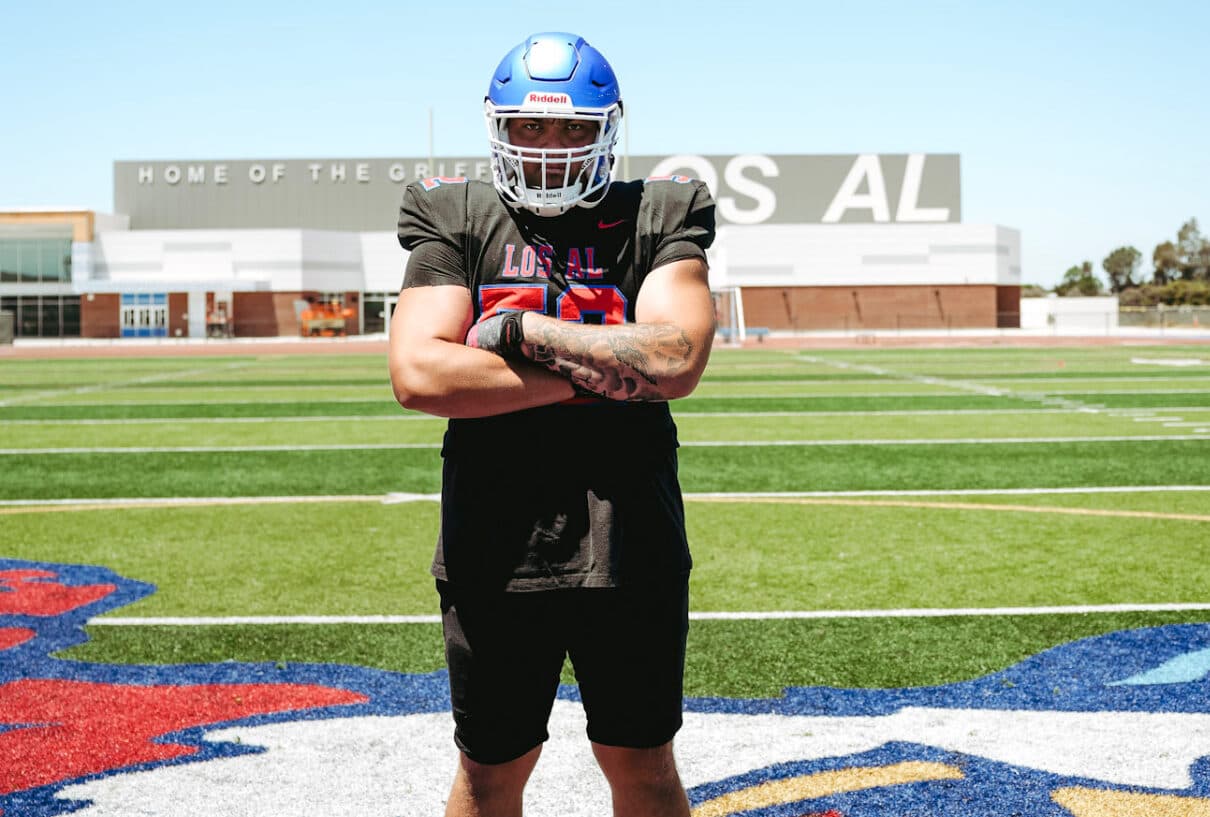
I just got off the phone with Braiden McKenna, senior captain and center for Los Alamitos High School. This Saturday, November 30th, his Griffins are playing for the Division Two CIF Championship against San Clemente. And let me tell you something—this young man just gave me a masterclass in what real leadership looks like.
The Reality Check Nobody Wants to Hear
You know what McKenna told me? “It’s my job as center to read the defense and make sure my guys know their move.”
That’s it. That’s the whole game right there.
While everybody’s watching running back Kamden Tillis and athlete Lenny Ibarra truck defenders, while they’re watching quarterback Colin Creason drop dimes, while they’re cheering tight end Beckham Hofland (committed to Boise State, by the way)—McKenna’s doing the real work. He’s reading defenses. He’s making calls. He’s protecting his quarterback and opening holes so clean his running backs don’t get touched until the second level.
Here’s what college coaches are looking for that most families miss:
They’re not just watching who makes the tackle. They’re watching who makes the call before the snap. They’re watching discipline. They’re watching accountability. They’re watching kids who understand that “how you do anything is how you do everything.”
What Championship Culture Actually Looks Like
McKenna dropped some wisdom that every parent needs to tape to their refrigerator:
“It’s the little things at practice. Hustling on and off the field, having our gear, covering our knees, paying attention to coach. We don’t make mental mistakes before we hit the field.”
You hear that? Before we hit the field.
This is what I’m talking about when I tell families that recruiting starts way before your junior year stats. It starts with:
- Keeping your locker clean
- Having your equipment ready
- Paying attention in the film room
- Respecting the break room in the coach’s office
McKenna said it perfectly: “How we do anything is how we do everything. Keeping our room clean. Our lockers. Our break room in the coaches office. We do that right then practice goes right.”
The Scholarship Path Nobody’s Talking About
Here’s the real talk: Los Alamitos was counted out this entire season. Everybody wrote them off. Now they’re playing for a championship under head coach Ray Fenton with one of the most explosive offenses in Division Two football.
How’d that happen?
It happened because of what happens in the dark:
- Long-term commitment — McKenna and his senior class have been playing together since Pop Warner. That bond, that accountability, that brotherhood—you can’t fake that. College coaches can smell that chemistry from a mile away.
- Learning the game young — McKenna’s cousin Liam was an offensive lineman at USC. Braiden grew up around that level of football. He paid attention. Now he’s a three-year starter who’s battling five-star recruits and winning.
- Accountability culture — “Our seniors have been playing since Pop Warner together and we keep it real. We hold each other accountable and pump each other up when things go right.” That’s not coach-speak. That’s real leadership.
The Offensive Line Reality
Let me break down what McKenna’s really saying when he talks about his role:
“We know we have to protect our QB and open lanes for Kam and Lenny to do what they do best.”
That’s a kid who understands his assignment. Kamden Tillis is a 2027 prospect who’s already holding offers. Lenny Ibarra is committed to Army. Colin Creason’s name is starting to flow through recruiting circles for the 2026 class.
None of that happens without the offensive line.
None of it.
And here’s what kills me—families obsess over skill positions while the big guys up front are the ones making college coaches’ phones ring. McKenna told me straight up: “I’ve battled 5-star guys this year and we’ve won… and that tells you about my guys on the Oline.”
That’s not arrogance. That’s confidence earned in the trenches.
What Parents Need to Understand Right Now
If your son plays offensive line, listen close:
The recruiting timeline for linemen is different. Colleges are looking for kids who:
- Understand technique over raw athleticism
- Can make pre-snap reads and adjustments
- Show leadership in the film room and on the field
- Have the discipline to do the little things right every single day
McKenna’s learning from a USC offensive lineman? That’s film study. That’s mentorship. That’s the kind of stuff that shows up in your highlight tape because you’re not just blocking—you’re dominating with technique.
The Team-First Mentality That Gets You Recruited
Here’s something McKenna said that made me stop and rewind:
“I do everything for my team. I leave it on the field every time. I want the other team respect me because of how I play.”
Then he added: “The defense man… they are relentless. They get us back into great field position so the offense can go score.”
A senior captain praising his defense? That’s rare. That’s special. That’s the kind of kid coaches want in their program.
The Real Recruiting Checklist (Not the BS You See Online)
Based on what I’m seeing from McKenna and this Los Alamitos squad, here’s your actual recruiting roadmap:
Freshman/Sophomore Year:
- Master the fundamentals of your position
- Find mentors who’ve played at the next level
- Build relationships with your teammates (this matters more than you think)
- Learn film study—not just watching highlights, but breaking down technique
Junior Year:
- Three-year starter? Make sure coaches know your experience level
- Document your leadership (captain, team awards, coach testimonials)
- Get your academics locked in (coaches won’t touch you without the grades)
- Start building your highlight tape focusing on technique, not just big plays
Senior Year:
- Stay locked in (coaches are watching how you finish)
- Lead by example in everything (locker room, film room, practice, games)
- Communicate with college coaches about your role and impact
- Trust the process—sometimes the best offers come late
What Championship Teams Teach Us About Recruiting
Los Alamitos isn’t just winning because they have talent. They’re winning because they have:
- Culture — Built over years, not weeks
- Accountability — Seniors who’ve been together since Pop Warner holding each other to a standard
- Attention to detail — The little things that happen before they hit the field
- Complementary football — Defense sets up the offense, offense respects the defense
College coaches don’t just recruit talent. They recruit culture. They recruit kids who understand that keeping your locker clean is connected to blocking the right guy on third-and-short.
The Question You Need to Ask Your Athlete
Here it is, plain and simple:
“Are you doing everything for your team, or are you chasing stats for yourself?”
McKenna’s not getting headlines like the running backs. His name isn’t flying through recruiting circles like some of his teammates. But he’s the captain. He’s the one making the calls. He’s the reason those running backs aren’t getting touched until the second level.
And when college coaches watch that Los Alamitos film? They’re seeing a center who reads defenses, makes adjustments, and leads with everything he’s got.
That’s the kid who gets recruited.
Saturday’s Championship Game: What to Watch
When Los Alamitos takes the field against San Clemente for the Division Two CIF Championship, watch the offensive line. Watch McKenna’s pre-snap reads. Watch how that line moves as a unit. Watch how they adjust to pressure.
That’s championship football.
And that’s exactly what college coaches are looking for in your son.
Parents and Athletes — Real Talk
I travel this country helping kids get scholarships. I’ve seen thousands of athletes with talent who never make it to the next level. You know why?
They don’t understand what McKenna understands: The little things are the big things.
If your athlete wants that scholarship, here’s what needs to happen:
- Lock in on academics (non-negotiable)
- Master your position’s technique
- Become a student of the game through film study
- Build genuine relationships with teammates
- Lead in everything (practice, classroom, locker room)
- Find mentors who’ve played at the next level
- Trust the process and stay patient
Want weekly recruiting guidance straight from the field? Subscribe to my newsletter where I break down exactly what college coaches are looking for, recruiting timelines, scholarship strategies, and the real talk nobody else is giving you.
Parents — what are you struggling with in the recruiting process? Drop your questions below. I’m answering them in upcoming articles.
Athletes — what position do you play, and what’s your biggest recruiting question? Let me know. This is your roadmap.
And to Braiden McKenna and the Los Alamitos Griffins? Go win that championship on Saturday. You’ve earned it.
— Coach Rod “Roadrunner” King
National Recruiting Mentor
P.S. — If you know a center, guard, or tackle who’s serious about playing college football, send them this article. The offensive line recruiting game is different, and most families have no idea what coaches are actually looking for. Let’s change that.
Recruiting, decoded. Every other Thursday.
The commits that matter, the carousel moves that move boards, and the sleepers before they blow up. No spam, one-click unsubscribe.